


Source: Canva / Civic Media
A History Class Unwraps Chocolate’s Past in Wisconsin
Students are using chocolate and a more than century-old candy factory in La Crosse to learn about consumption and economics – then and now

Dec 29, 2025, 9:03 PM CST


Share
A surprising history class is happening as part of Professor Gita Pai’s curriculum. It starts with a question: What comes to mind when you unwrap chocolate?
She says the students give you the typically sweet answers. Candy bars. Desserts. Willy Wonka.
But by the mid-way point of this course, Pai expects those replies to shift to words like currency, exploitation, and power.
You can probably imagine – if you just consider the topic – her class at UW-La Crosse is becoming very popular. She is using chocolate and its sacred role in ancient Mesoamerican civilizations, along with the eventual transformation into a commodity shaped by labor and economics, as an appealing way to study world history.
“My goal is to move students from a narrow, American-centered view to a much more global understanding,” Pai explains.
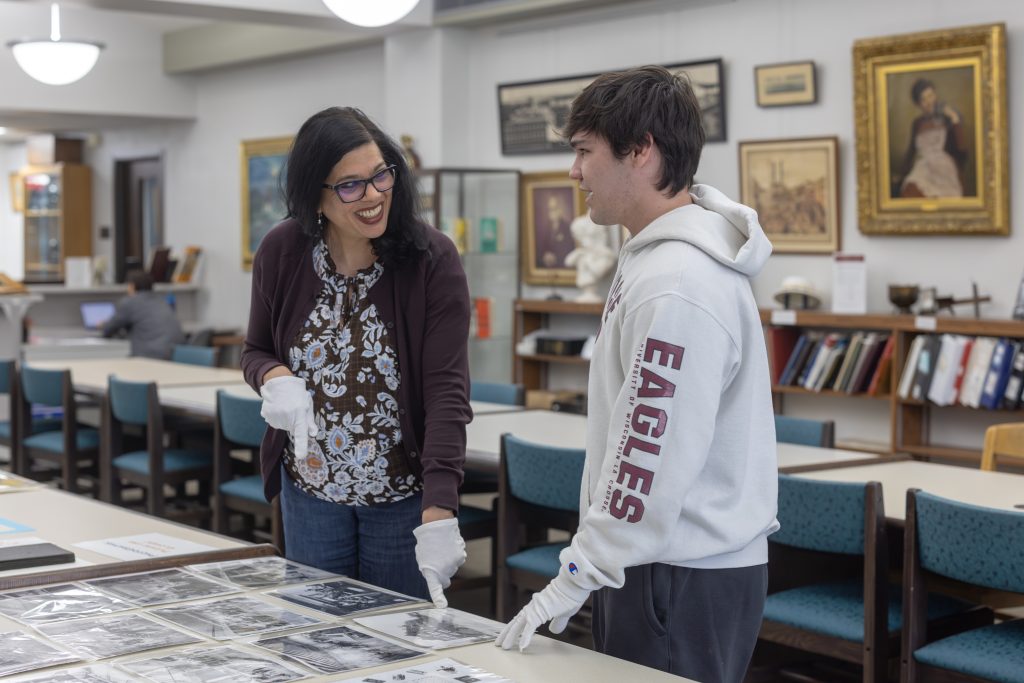
“We’re just the consumers,” sophomore Andrew Smerz says. “But for the people who grow it, their lives revolve around harvesting it. That really stood out to me.”
Finance major Max Wilkens says he was surprised by chocolate’s long-standing role as an item of power for the few and how it later became a global economic opportunity.
“Why study something I have no interest in when I can learn about something as historically significant and loved as chocolate,” Wilkens explains.
The course also brings this world history closer to home.
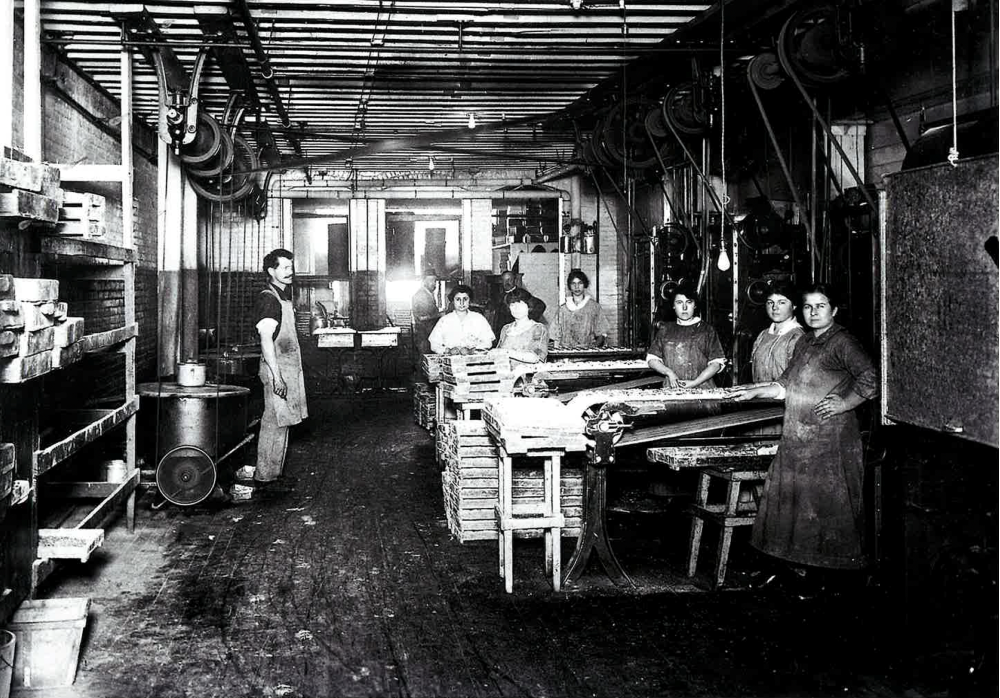
There’s research around Wisconsin’s chocolate past which includes three businesses in La Crosse and a focus on the former Funke Candy Factory. Operations started there in 1898, and by the 1920s, chocolates from the city were being sold across the country. Students get a chance to examine advertisements, photographs, receipts, maps, and original candy wrappers from the factory. This research teaches them how historians analyze primary sources and construct meaning from physical evidence.
“It feels authentic because we’re using and seeing real archives, not just online sources,” Wilkens says.
These students may be uncovering Funke’s past but they are doing it as part of a very real history lesson.
And though the factory is now home to the Charmant Hotel, it still stands as a reminder of the connection the area had to chocolate production and trade around the world.
“I want them to see that history is more than names and dates,” Pai says. “I want them to look at what is around them locally. And in this case to realize La Crosse was part of this important kind of world history.”

Teri Barr is Civic Media’s Content Creator and a legend in Wisconsin broadcast journalism. Email her at [email protected].
Want More Local News?

Civic Media
Civic Media Inc.
The Civic Media App
Put us in your pocket.